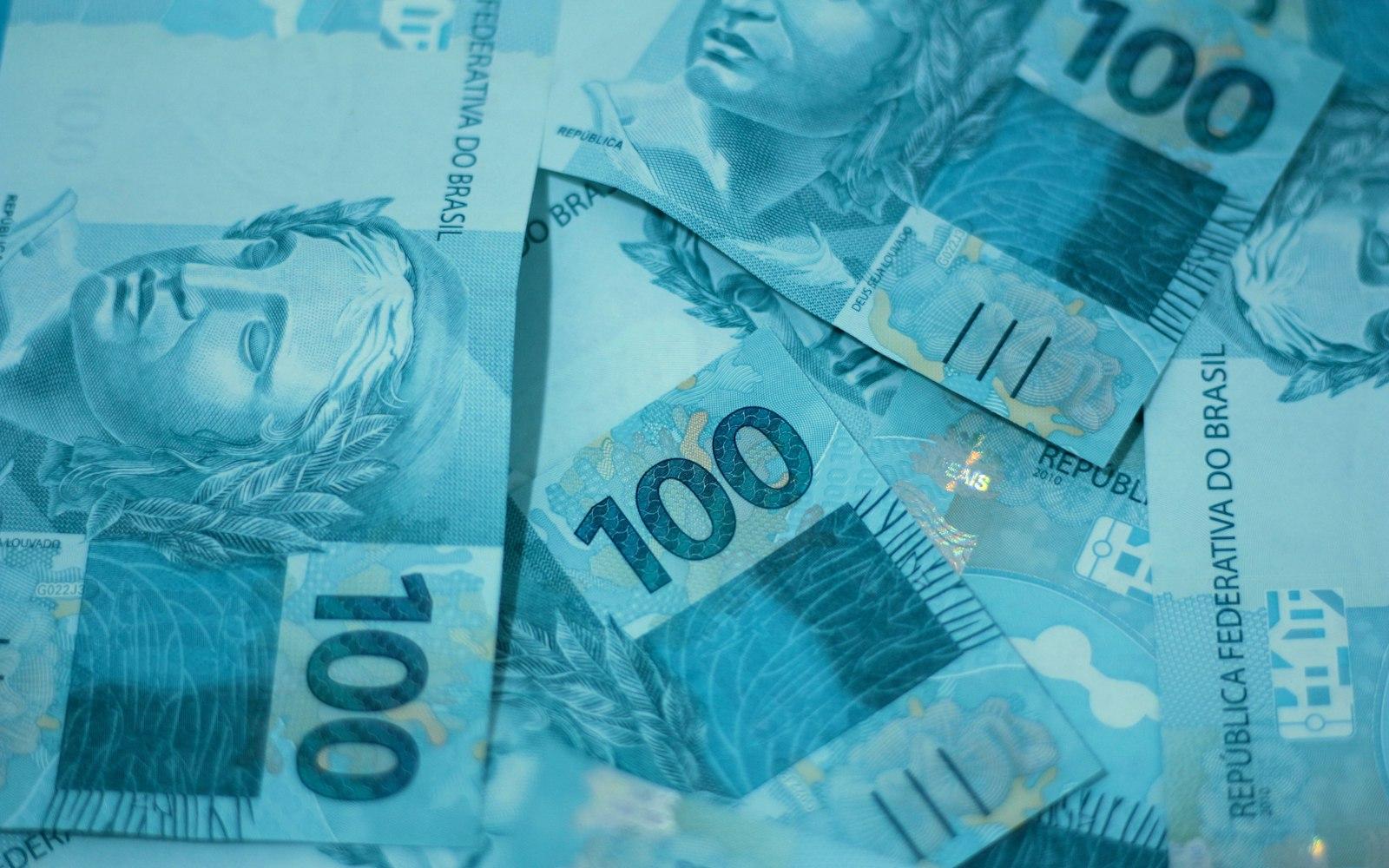
Brazil’s central bank sold $1bn in a spot auction on Thursday as the real extended its decline following President Luiz Inácio Lula da Silva’s comments that he was in no hurry to appoint ministers, Bloomberg reported.
The real briefly reversed its losses after the sale, while swap rates surged, according to Bloomberg. The outlet said the currency had fallen 15% since Lula won reelection in October and described the auction as the first spot intervention since December 2024, when fiscal concerns drove asset prices lower.
Lula said on Thursday that ministerial appointments would follow his own timetable, Bloomberg reported. Investors have been awaiting the economic-team appointments and questioning whether the government will make sufficient fiscal adjustments to slow public debt growth and eventually allow lower interest rates.
Brazil’s Senate backed the government’s spending-restraint plan on Wednesday, but that did not stop the real’s slide, according to Bloomberg. The outlet expects the plan to improve the primary fiscal result in 2027 by 50bn to 60bn reais. It reported nominal deficits above 9% of gross domestic product and public debt above 80%.
Wells Fargo Securities strategist Alvaro Vivanco described the choice of a spot intervention as significant, Bloomberg reported. He noted that fiscal measures had helped stabilise the currency after the previous intervention, putting the government’s budget measures alongside central bank action in the debate over the real.
On interest rates, Bloomberg reported that central bank chief Gabriel Galípolo has said high borrowing costs will remain a tool for fighting inflation, while acknowledging the economic cost of tight policy.