Key takeaways
- OilPrice.com reports an Iraq-US agreement for an oil corridor along Oman’s coast.
- OilPrice.com reports estimated October exports of 3.4 million barrels daily.
- Iraq’s foreign minister put disruption-related losses at approximately $60 billion, according to OilPrice.com.
- OilPrice.com reports an Iraqi export target of 5 million barrels daily.
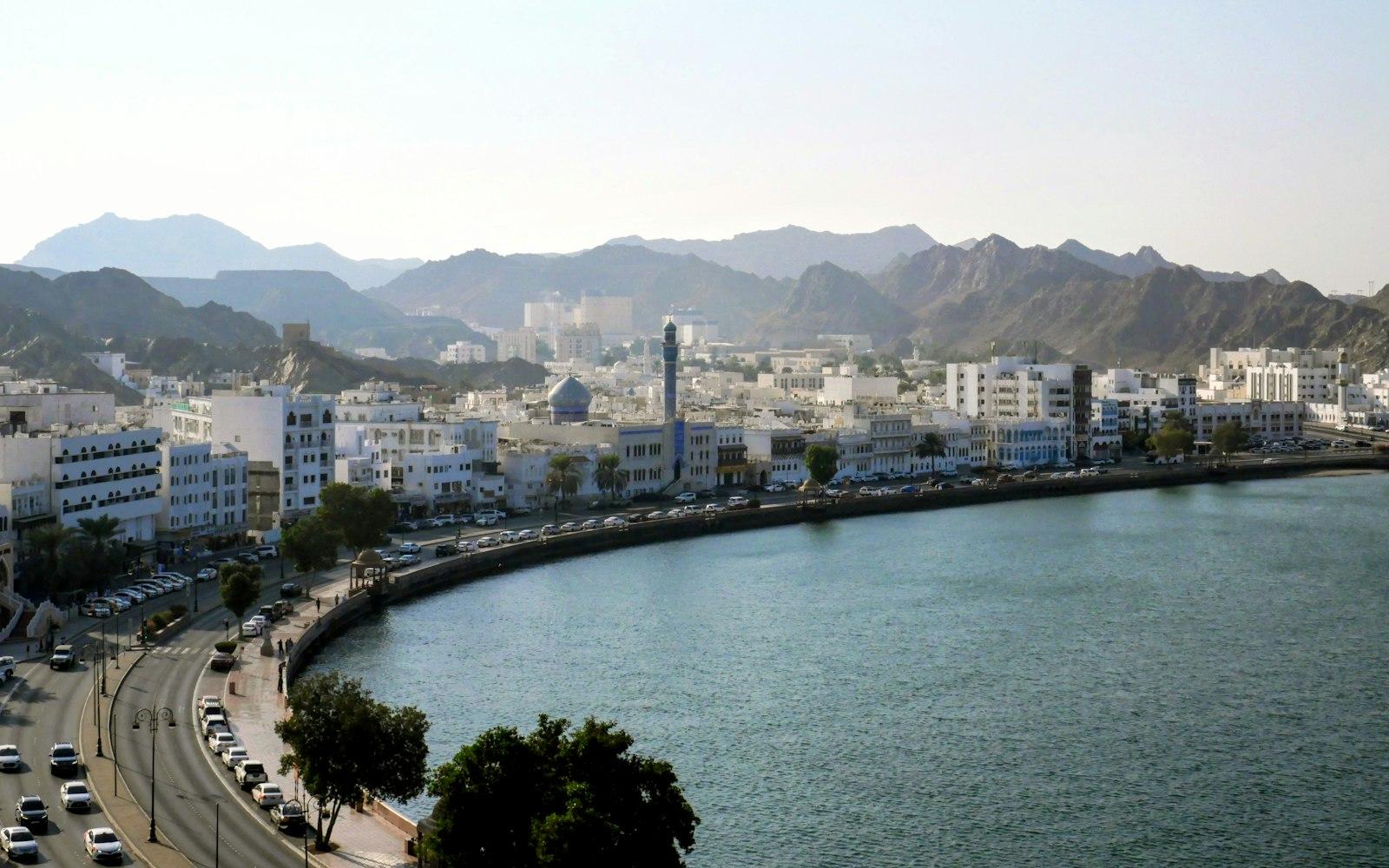
Iraq and the United States reached an agreement at the end of the preceding week to transport Iraqi oil through a corridor along Oman’s coast, OilPrice.com reports, citing Reuters. The arrangement is intended to increase Iraqi oil exports, according to the outlet.
Export flows and disruption costs
OilPrice.com reports that Iraq’s foreign minister told Al Jazeera that war-related disruption to crude exports had cost the country approximately $60 billion. The figure is the minister’s estimate, as reported by the outlet.
According to OilPrice.com, output from Iraq’s southern fields fell by 70% during the first few months of the war. The outlet attributes the decline to wells being shut as storage capacity became constrained and exports were blocked.
OilPrice.com puts estimated October exports at 3.4 million barrels daily, compared with reported September exports of 2.65 million barrels daily. The October estimate sits within the pre-war range of 3.3 to 3.5 million barrels daily reported by the outlet, rather than above it.
Routes and expansion ambitions
Iraq is OPEC’s second-largest oil exporter after Saudi Arabia and relies almost entirely on the Strait of Hormuz for access to global crude markets, according to OilPrice.com.
The outlet also reports that Iraqi oil minister Bassem Mohammed Khudair identified the Strait of Hormuz, Ceyhan and tanker trucks travelling via Syria as export routes.
OilPrice.com reports that Iraq wants to increase exports to 5 million barrels daily and is investing in pipelines and Gulf-coast export terminals. That volume is a stated ambition reported by the outlet, not an achieved export level or a confirmed outcome of the agreement.
Why it matters
According to OilPrice.com, Iraq is OPEC’s second-largest oil exporter and relies almost entirely on the Strait of Hormuz to reach global crude markets. The minister’s approximately $60 billion loss estimate, reported by the outlet, highlights the economic significance of disrupted export access.
What it means for markets
The route agreement reported by OilPrice.com makes implementation and actual shipment volumes the developments to watch. OilPrice.com’s estimated October exports were within its reported pre-war range; the separately reported ambition of 5 million barrels daily should not be treated as confirmed additional supply.